The trades-versus-college debate is usually argued badly. Here is a straight comparison built for South Dakota students and families — cost, timeline, demand, advancement, and the questions that actually decide it.
Ask a room of South Dakota juniors what they plan to do after graduation and you will get two kinds of answers. Some have a specific plan. Most have a default — usually a four-year college, chosen because it is what everyone says to do, not because anyone walked them through the alternatives. That default is not wrong. It is just unexamined, and unexamined career decisions are expensive.
This article is not an argument that the trades beat college. Anyone selling you that line is oversimplifying just as badly as the counselor who assumes everyone belongs in a bachelor's program. What follows is an honest comparison across the dimensions that actually matter, written for students and families in South Dakota, where both paths are genuinely accessible and both lead to good lives.
The framing problem
The first thing to fix is the question itself. 'Trades or college?' is a false binary for three reasons.
- Technical college is college. A two-year technical program is postsecondary education with credentials, transcripts, financial aid, and articulation agreements — not a rejection of education.
- Many trades professionals eventually earn bachelor's degrees, often in management or business, funded by employers after they are already earning.
- Many four-year fields — nursing, engineering technology, computer science, construction management — sit directly adjacent to skilled trades work and share the same employers.
A better question: what is the fastest, most affordable route to work I will find meaningful, and what does that route leave open afterward?
Dimension 1: Cost and debt exposure
This is the dimension where the paths differ most sharply. A two-year technical program costs a fraction of a four-year degree, and the gap widens once you account for two additional years of living expenses and two additional years of forgone income.
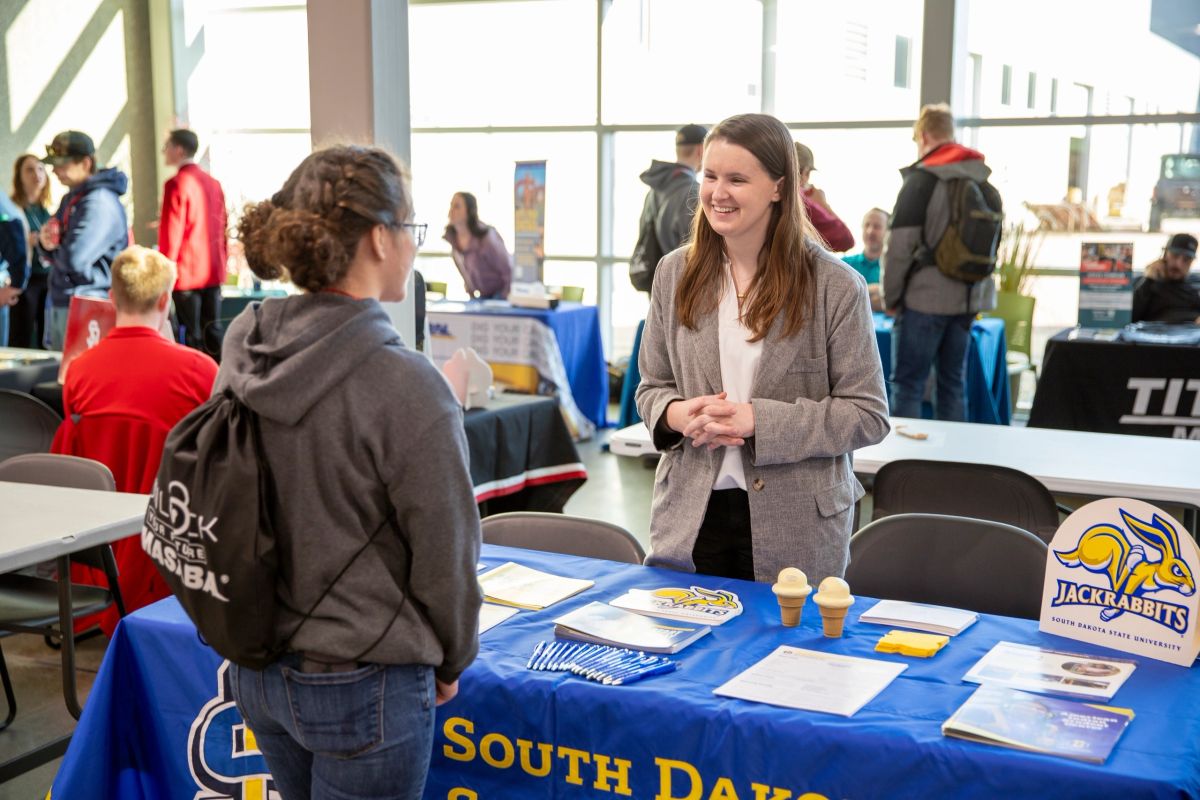
South Dakota adds a meaningful thumb on the scale here. The state's technical colleges are relatively affordable, and the scholarship ecosystem for the trades is unusually deep: state workforce scholarships, employer-funded tuition programs, industry association awards, and local community foundations that specifically fund technical students. A significant number of South Dakota technical students finish with little or no debt.
That matters beyond the balance sheet. Debt constrains choices. A 24-year-old with no loan payment can take a lower-paying job to learn a specialty, move for an opportunity, buy a truck and tools, or start a business. A 24-year-old with a large monthly payment often cannot. Optionality is an underrated form of wealth.
The honest counterpoint
Four-year degrees are not automatically debt traps. A student with strong grades attending an in-state public university with scholarship support can graduate with modest debt in a high-demand field. The cost problem is real but it is field-specific and school-specific, not universal. Compare actual numbers for actual programs, not averages from national headlines.
Dimension 2: Time to earnings
A technical graduate typically begins full-time earnings roughly two years earlier than a bachelor's graduate — and many were already earning during training through paid internships, apprenticeships, or part-time shop work. Compounded over a career, that head start is substantial, especially when it is paired with low or no debt.
But the comparison should not stop at year five. Some four-year fields have steeper long-run earnings curves. The honest picture is that the trades usually win the first decade decisively, and after that it depends heavily on what each individual does with their position — whether the tradesperson moves into supervision, specialty work, or ownership, and whether the degree-holder lands in a field with real advancement.
Dimension 3: Demand and job security
South Dakota's demand picture for skilled trades is strong and structural. The workforce is aging, replacement demand outpaces the number of new entrants in most trades, and the state's core industries — agriculture equipment, food processing, construction, health care, manufacturing, and energy — all depend on technical labor that cannot be performed remotely or offshored.
That last point deserves emphasis. A significant share of white-collar work is currently being reshaped by automation and remote competition. Nobody is going to install an HVAC system in Sioux Falls from another country, and no software has yet learned to run conduit through a finished wall. Physical, judgment-heavy, on-site work has a durability that is easy to undervalue at seventeen.
The honest counterpoint
Trades work is physical, and bodies wear. Twenty-five years of overhead work has a cost. The mitigation is planning: most successful tradespeople deliberately move toward supervision, estimating, inspection, instruction, or ownership in their thirties and forties. That transition is normal and expected — but it does not happen automatically. It happens to people who build the business and communication skills to make it happen.
Dimension 4: Advancement and ceilings
The persistent myth about the trades is a low ceiling. In practice, the ceiling is set by capability and initiative rather than credential. Consider the realistic progression available to a South Dakota electrician, diesel technician, or welder:
- Apprentice or entry technician, learning under supervision while earning.
- Journey-level professional, fully qualified and independently productive.
- Lead, foreman, or crew supervisor responsible for people and schedules.
- Specialty or master-level work — controls, diagnostics, code work, high-value certifications.
- Estimator, project manager, quality manager, service manager, or instructor.
- Business owner, which is where the highest earnings in the trades usually live.
That final step matters more than any other. Small business ownership is enormously common in the trades, and it is the most reliable route from good income to genuine wealth. Anyone who tells a student the trades have a low ceiling has never looked at who owns the mechanical contractors in their town.
Where the degree genuinely wins
Some fields are legally or structurally gated behind degrees: medicine, law, licensed engineering, most teaching roles, advanced research, and much of corporate management. If a student wants one of those, the four-year path is not a preference — it is a requirement. Pretending otherwise does them real harm.
Dimension 5: Fit, which decides more than economics
Money and demand are measurable, so they dominate these conversations. But the strongest predictor of career satisfaction is fit — whether the daily work matches how a person is wired. Some honest self-assessment questions:
- Do you want to see the result of your work at the end of the day, or are you comfortable with projects that resolve over months?
- Do you prefer solving problems with your hands and tools, or with documents, data, and meetings?
- Does sitting for eight hours drain you or steady you?
- Do you learn better by doing a thing badly and then improving, or by studying it first?
- Would you rather be measured by whether it works, or by how well you explained it?
There are no correct answers, only honest ones. A student who needs to see a finished product will be miserable in an abstract office role regardless of salary — and a student who loves analysis and writing will be equally miserable in a shop, no matter how strong the job market is.
How SkillsUSA helps students decide
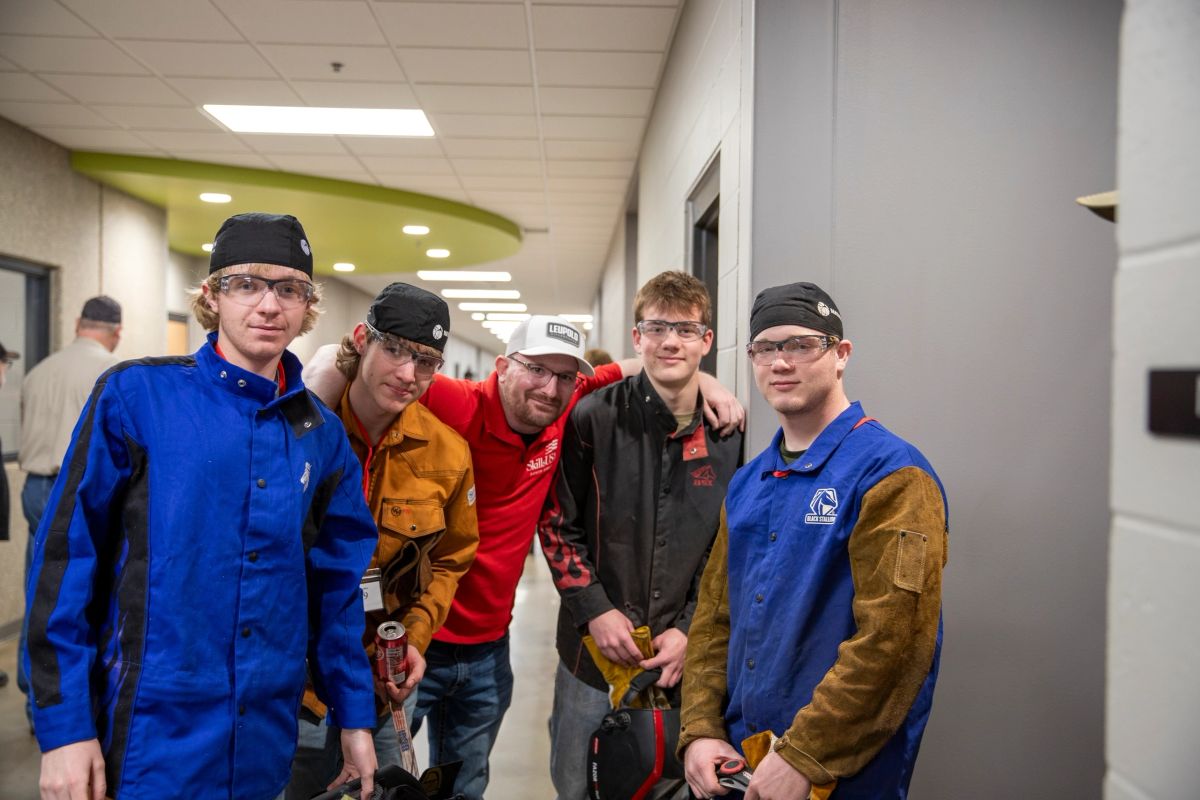
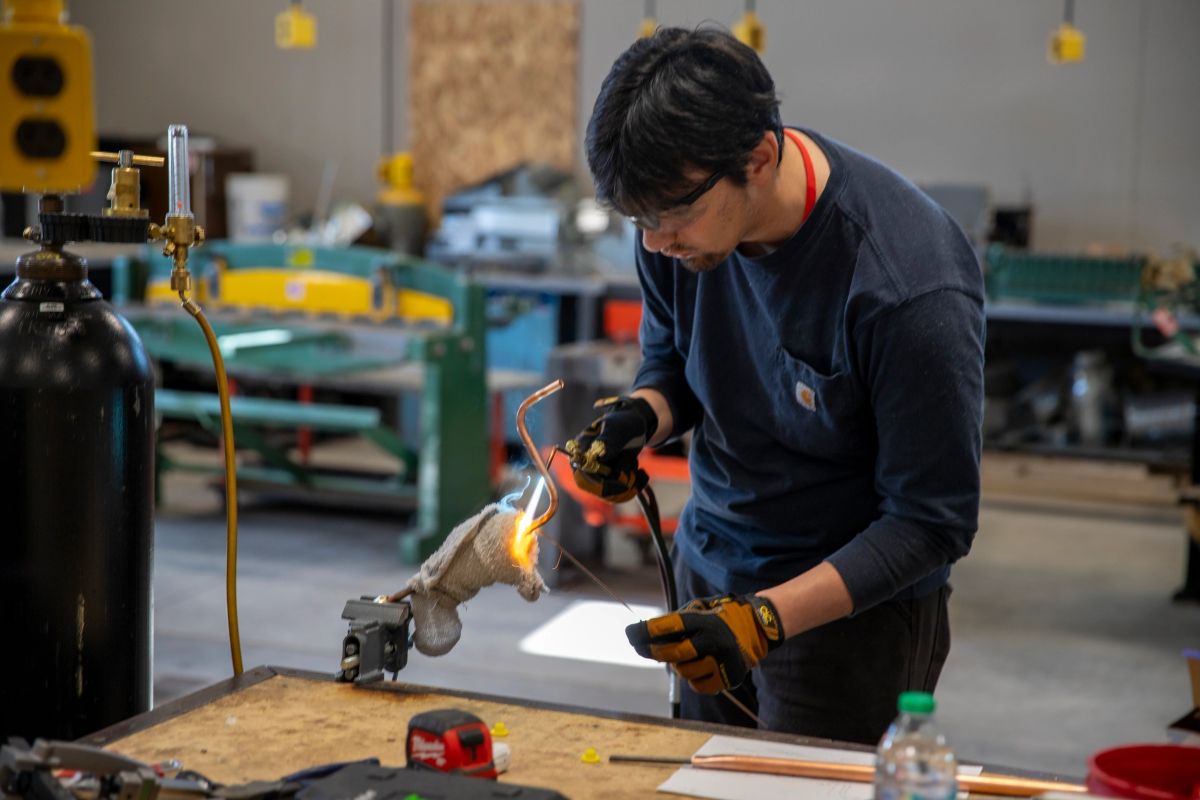
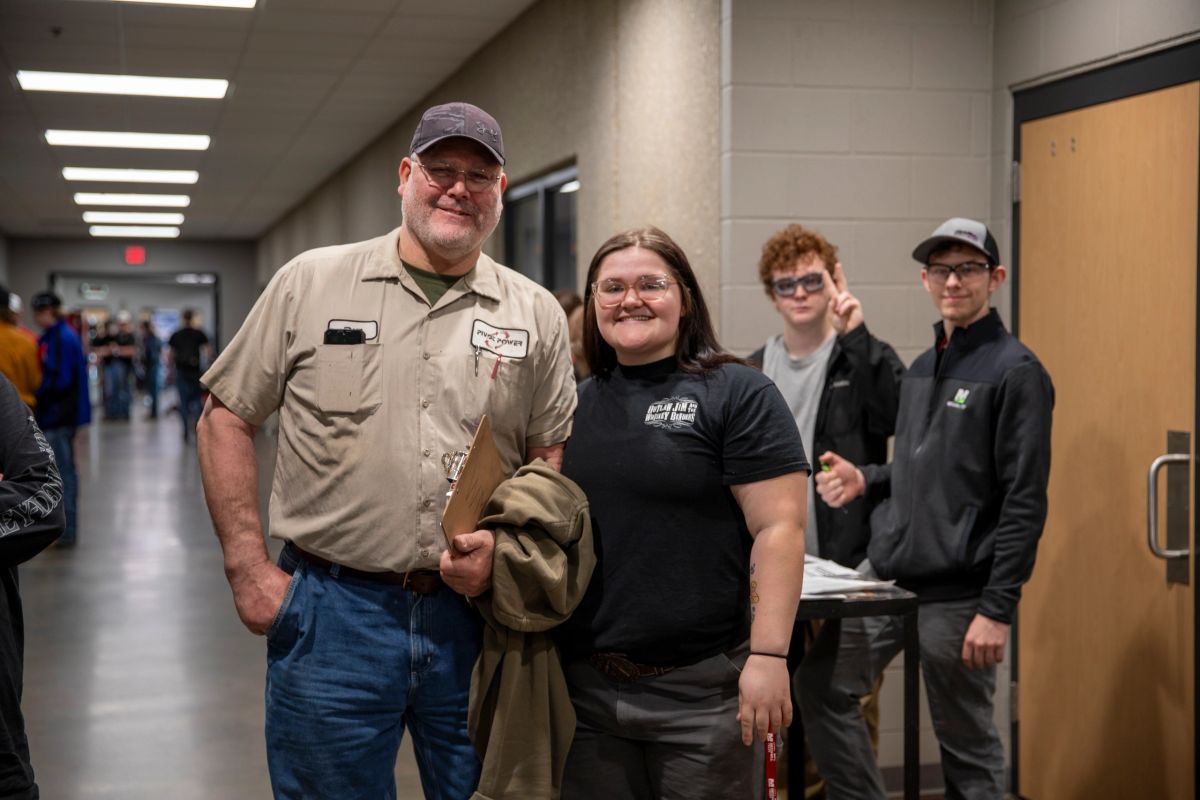
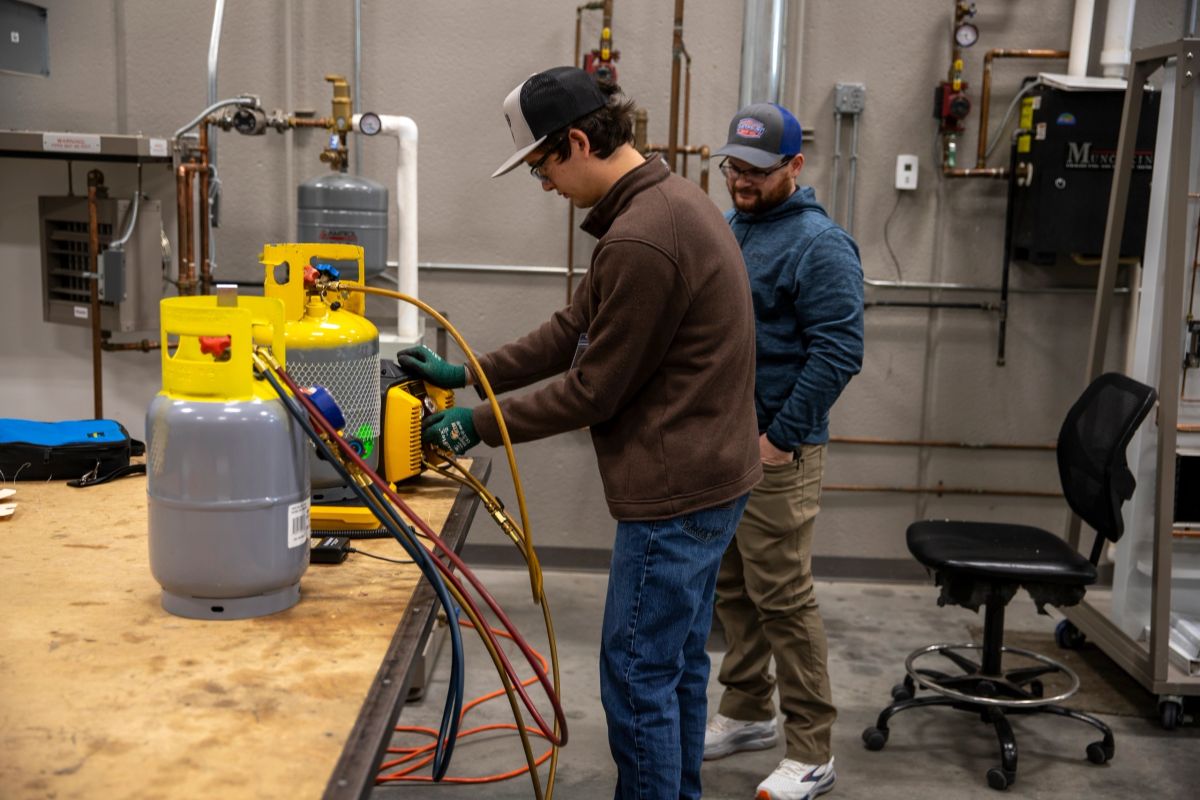
The reason SkillsUSA South Dakota matters in this conversation is that it replaces speculation with experience. A student who has actually run a welding contest, wired a panel, diagnosed a fault, prepared a meal under time pressure, or delivered a technical presentation to industry judges has real information about what they enjoy. That is worth more than any career inventory.
SkillsUSA also builds the layer that both pathways require. The organization's framework centers personal skills, workplace skills, and technical skills grounded in academics — integrity, work ethic, communication, teamwork, planning, and professional presence. Those transfer completely. A student who competes for two years and then chooses a bachelor's degree has lost nothing; they arrive on campus with a résumé, interview experience, and a work ethic most freshmen do not have.
The goal is not to push students toward the trades. It is to make sure no student picks a path by default.
A decision framework for families
If you are sitting at a kitchen table trying to work this out, run these five steps instead of arguing about averages.
- Name two or three specific occupations, not categories. 'Diesel technician' and 'registered nurse' can be researched; 'the trades' and 'college' cannot.
- For each, find the actual entry requirement — the specific program, its length, and its published cost.
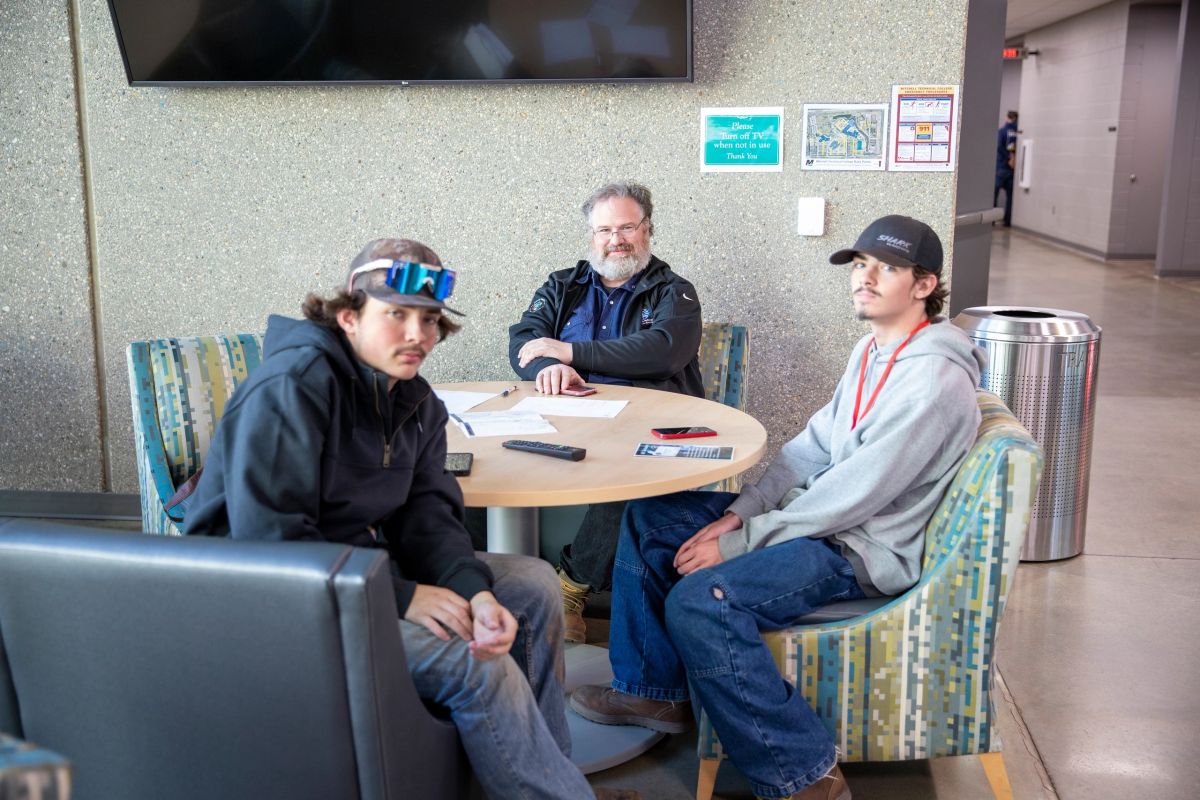
- Talk to two people doing that job in South Dakota. Ask what they like, what they would change, and what they wish they had known at eighteen.
- Get the student real exposure: a shop tour, a job shadow, a summer job, a SkillsUSA contest. One day of reality beats a month of speculation.
- Choose the path with the best combination of fit, cost, and demand — then verify that it leaves a door open. Almost every path does.
The conclusion nobody wants because it is not a slogan
There is no universally superior path. There is a best path for a specific student in a specific state with specific interests and finances. In South Dakota, the skilled trades happen to offer an unusually strong version of that calculation: low cost, fast entry, durable demand, and a realistic route to ownership. That deserves to be on the table for every student, evaluated seriously rather than mentioned as a consolation.
What no student deserves is the default — four years and significant debt chosen because nobody presented an alternative, or a trade chosen because someone assumed they were not 'college material.' Both failures come from the same place: adults deciding for students instead of showing them the work.
If you want to help a South Dakota student replace assumption with experience, start with a local SkillsUSA chapter, a state conference visit, or a conversation with a CTE instructor. The decision gets much easier once the student has held the tools.
Get involved with SkillsUSA South Dakota
Students, advisors, and industry partners across South Dakota build the state's skilled workforce together. Start a chapter, sponsor a contest, or bring your students to the state conference in Watertown.