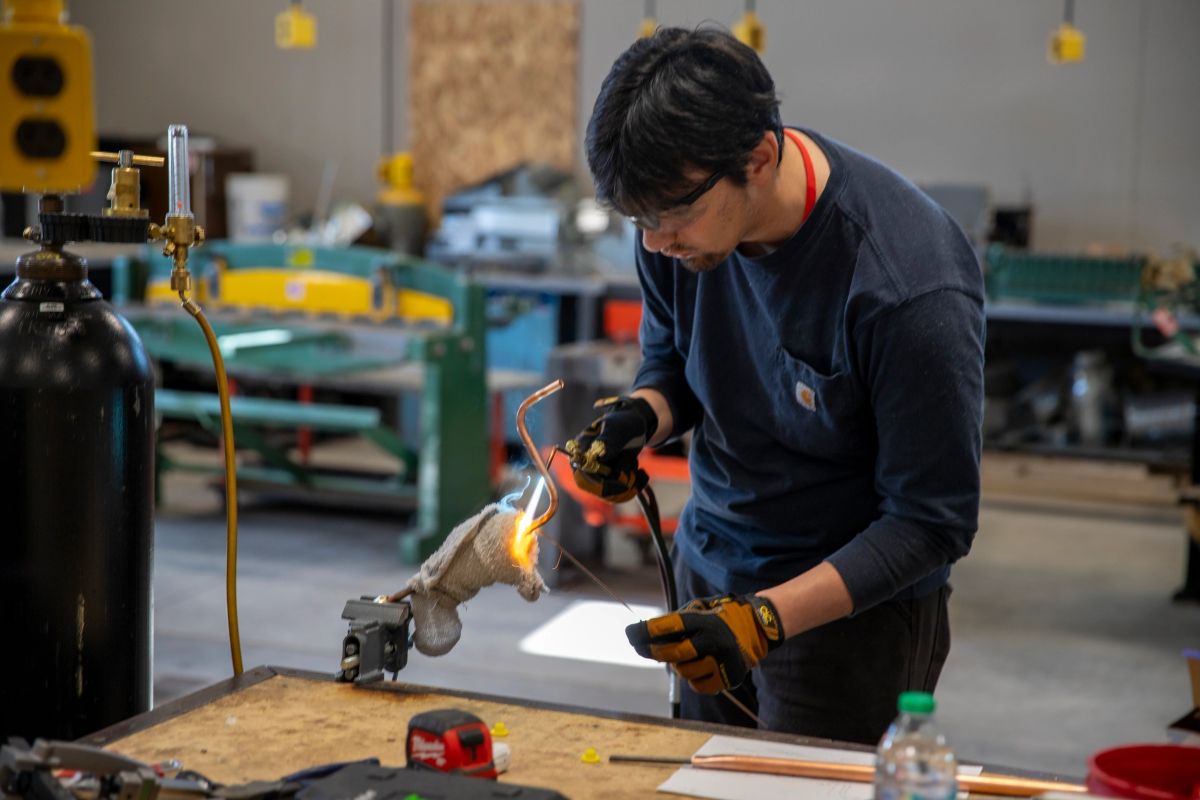
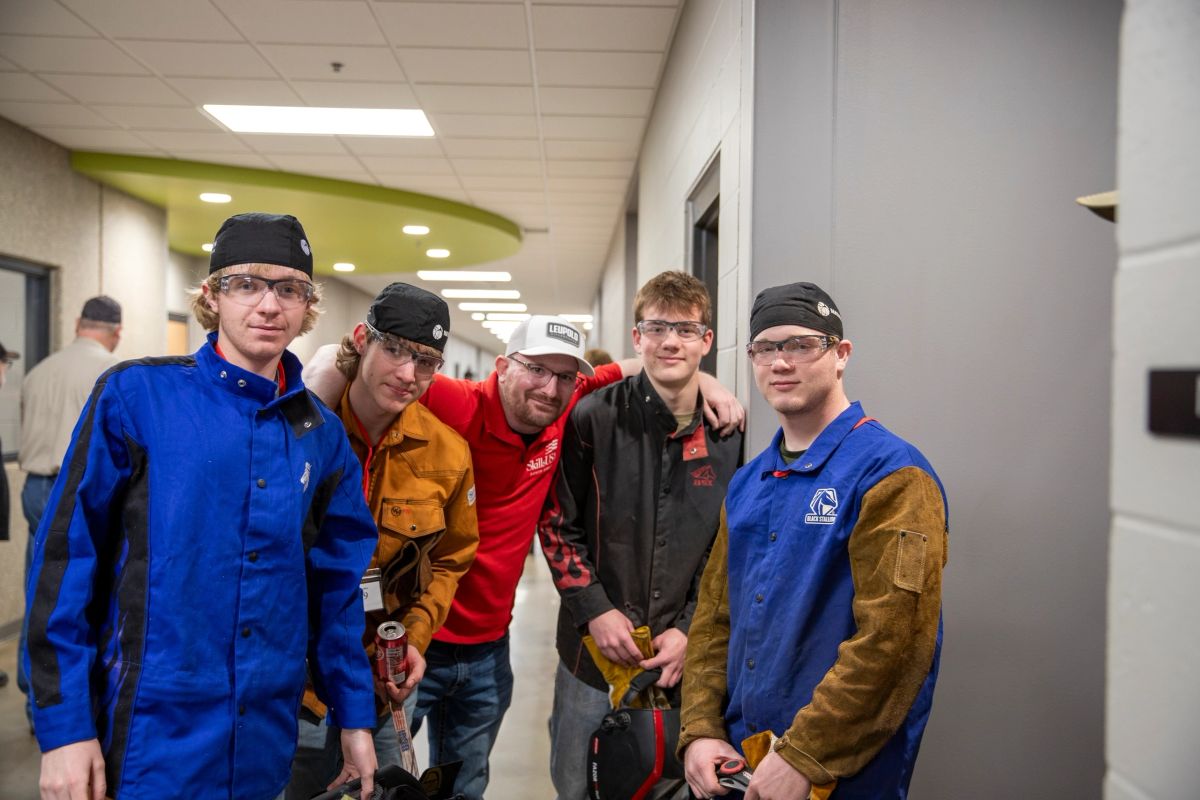
You do not have to choose between earning and training. South Dakota has an unusually deep set of paid pathways into the skilled trades — here is how each one works and how to actually get in.
The most persistent myth about training for a technical career is that it requires two to four years of paying tuition before you earn anything. For a lot of South Dakota students, that is simply not how it works. Between registered apprenticeships, employer-sponsored tuition, work-based learning during high school, and a scholarship ecosystem built specifically around the trades, it is entirely possible to enter a skilled career while earning money the whole way.
The catch is that these pathways are not advertised the way college admissions are. Nobody mails you a glossy brochure about a registered apprenticeship. You have to know they exist and go find them. This guide covers the main options, how each one actually works, and what makes an application succeed.
Option 1: Registered apprenticeship
A registered apprenticeship is a formal, structured training program that combines paid on-the-job learning with related classroom instruction, leading to a nationally recognized credential. It is the original earn-while-you-learn model, and it remains the strongest deal available in the skilled trades.
How the structure works
- You are hired as an employee from day one and paid a wage from your first week.
- Your wage increases on a defined schedule as you complete competencies and hours — you are not stuck at entry pay for years.
- You complete a set number of on-the-job hours under a journey-level mentor, plus related technical instruction, often at a technical college and frequently paid for by the employer or sponsor.
- You finish with a portable, industry-recognized journey credential and, in most cases, little or no education debt.
Where they exist in South Dakota
Apprenticeship is strongest in the building and mechanical trades — electrical, plumbing, HVAC, pipefitting, sheet metal, and construction — and is increasingly used in manufacturing, diesel and equipment technology, IT, and health care support roles. Sponsors include individual employers, contractor associations, joint labor-management committees, and industry consortia. South Dakota's state apprenticeship office maintains information on registered programs and can point students to active openings.
Realistic expectations
Competitive apprenticeships receive many more applicants than slots. They typically want a high school diploma or equivalent, basic math competency, a valid driver's license, reliable transportation, the physical capacity for the work, and — above everything else — evidence that you will show up. Some require an aptitude test and an interview. Applications often open on a specific annual schedule, so missing the window means waiting a year.
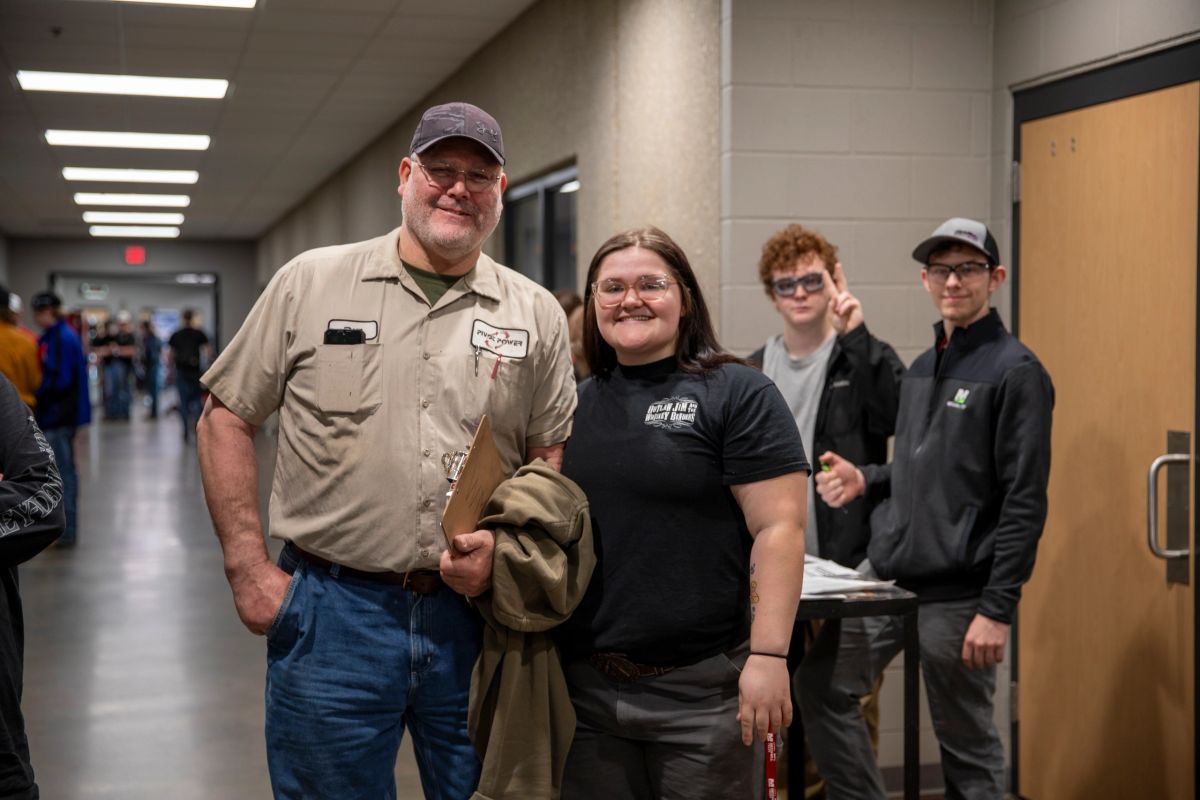
Option 2: Employer-sponsored technical college training
Many South Dakota employers — particularly in manufacturing, health care, and equipment service — pay some or all of a student's technical college tuition in exchange for a commitment to work for them after graduation. These arrangements go by different names at different companies: scholarship programs, tuition assistance, sign-on training agreements, or work-and-learn partnerships.
The typical structure: the employer covers tuition or a defined stipend, the student often works part-time during the program and full-time during breaks, and the student agrees to work for the employer for a set term after completion. Sometimes the funding converts to a loan if the commitment is not fulfilled — read that clause carefully before signing.
The advantages are substantial: reduced or eliminated tuition cost, income during training, a guaranteed job at the end, and a running start on workplace relationships. The tradeoff is flexibility — you are committing to an employer before you have worked there full-time. Mitigate that by working there part-time first if possible, and by talking to current employees candidly.
Option 3: Work-based learning while still in high school
This is the most underused option, and it is available to students who are two or three years from graduating. Depending on your district and local employers, it may include:
- Youth apprenticeship or pre-apprenticeship programs that award both wages and credit.
- Cooperative education placements where school-day hours are spent at a job site.
- Internships arranged through your CTE program or a local business association.
- Dual-credit technical coursework that earns college credit at reduced cost before graduation.
- Summer employment with a local employer in your field, which is often the on-ramp to everything else.
The compounding effect matters here. A student who works two summers in a fabrication shop before starting a technical program arrives with shop literacy, references, and often a standing job offer. That head start is worth more than a small scholarship, and it costs nothing but initiative.
Option 4: Scholarships built for technical students
The scholarship landscape for skilled trades students is genuinely deep and consistently under-applied-for. Categories worth pursuing:
- State workforce and technical education scholarships aimed at students entering high-need occupations in South Dakota.
- Technical college institutional scholarships, including program-specific awards funded by industry partners.
- Industry association awards from trade groups in welding, construction, automotive, HVAC, health care, and manufacturing.
- Employer and corporate foundation scholarships, frequently targeted at students in the communities where they operate.
- Local community foundation, service club, and civic organization awards — the least competitive category by a wide margin.
- CTSO-affiliated awards and recognition connected to student organization participation and competition results.
That fifth category deserves emphasis. A national scholarship might have thousands of applicants; a local service club award in a South Dakota town of 3,000 might have four. The dollar amounts are smaller but the odds are dramatically better, and several small awards stack into a semester of tuition. Start with your school counselor's local list before you touch a national search engine.
Most students lose scholarship money not to competition, but to not applying.
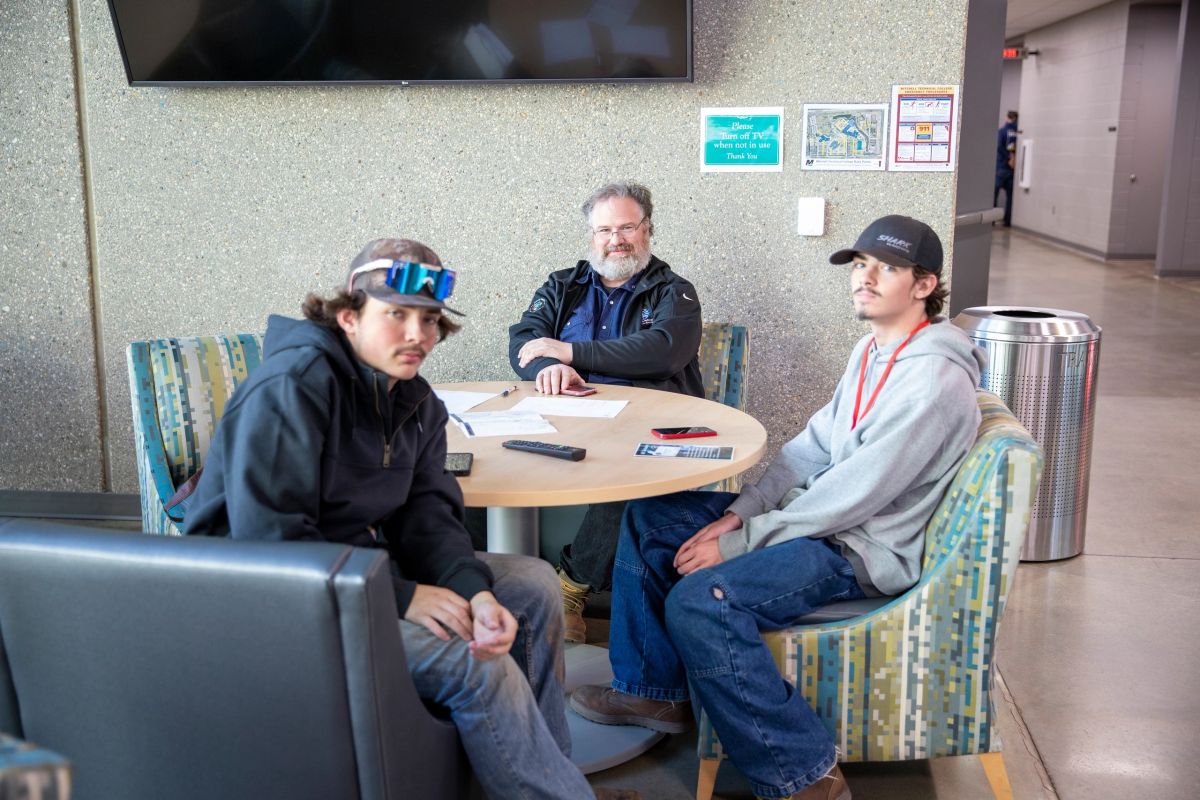
How to actually get selected
Whether the target is an apprenticeship slot, an employer-funded seat, or a scholarship committee, the selection logic is similar. Reviewers are trying to predict reliability and follow-through from limited evidence. Here is how to give them that evidence.
Build a record before you need it
Attendance, grades in technical and math courses, certifications earned, contest results, chapter leadership, work history, and community service. None of these can be manufactured in the week the application is due. Start sophomore year.
Write specifically, not generically
Every committee reads dozens of essays saying 'I have always liked working with my hands.' Replace that with a concrete story: the machine you fixed, the project that failed and what you changed, the contest deduction that taught you something. Specificity is the only thing that makes an application memorable.
Ask for recommendations properly
Give your recommender at least three weeks, a copy of your résumé, the specific award description, and a short note on what you would like them to emphasize. A CTE instructor who can write 'this student never missed a day and led our contest prep' is far more persuasive than a generic reference.
Treat deadlines as absolute
Apprenticeship application windows and scholarship deadlines are hard cutoffs. Build a single spreadsheet in the fall of your senior year listing every opportunity, its deadline, its requirements, and its status. Students who track systematically apply to fifteen things; students who do not apply to two.
Show up in person
Career fairs, shop tours, employer nights, and the SkillsUSA state conference all put you physically in front of the people who make these decisions. A hiring manager who has shaken your hand and watched you compete reads your application differently than one seeing a name for the first time.
How SkillsUSA participation strengthens every one of these
Participation in SkillsUSA South Dakota is not a separate track from these funding pathways — it feeds directly into them. Contest results are documented, third-party-verified evidence of technical skill. Chapter leadership demonstrates responsibility. The résumé and interview components of competition produce exactly the materials these applications require. And the state conference puts students in the same building as sponsors, employers, and program representatives who fund and hire.
Students routinely describe the same sequence: they competed, an industry judge or sponsor started a conversation, and that conversation turned into an internship, an apprenticeship referral, or a scholarship they never would have found. It is not luck. It is what happens when a student demonstrates their work in front of the people who need it.
A timeline that works
- Sophomore year — get into CTE coursework, join your chapter, and start building attendance and grade evidence.
- Junior fall — research apprenticeship sponsors and employer programs in your field; note their application windows.
- Junior spring — compete, earn a first certification, and secure a summer job in the field.
- Senior fall — build the master application spreadsheet, request recommendations, and finalize your résumé.
- Senior winter — submit apprenticeship applications, technical college applications, and every scholarship you qualify for.
- Senior spring — interview, compete again, and confirm your placement before graduation.
The point
The financing conversation around education is usually framed as a problem to survive. In South Dakota's skilled trades, it is closer to a set of opportunities that go unclaimed because students do not know they exist. Registered apprenticeships pay from day one. Employers will fund technical training for the right candidate. Local scholarships go unawarded for lack of applicants.
The students who capture these opportunities are not extraordinary. They are organized, they started early, they showed up where the decision-makers were, and they had something concrete to show. Every one of those is available to any student willing to begin.
Talk to your CTE instructor about work-based learning options in your area, and use the state conference to meet employers directly. The pathways exist — they just require someone to walk them.
Get involved with SkillsUSA South Dakota
Students, advisors, and industry partners across South Dakota build the state's skilled workforce together. Start a chapter, sponsor a contest, or bring your students to the state conference in Watertown.